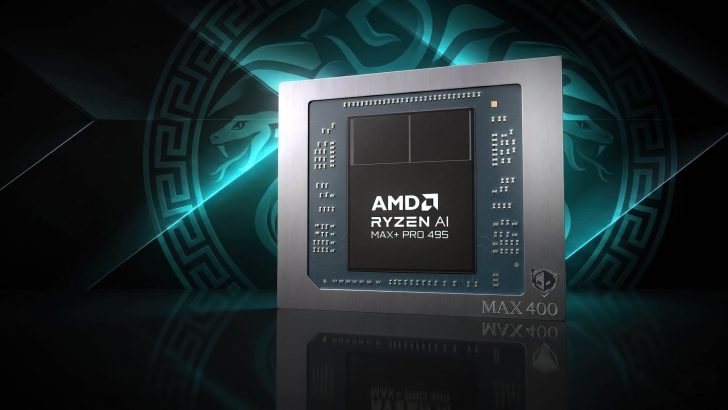


The Ryzen AI MAX+ 495 mini PCs have arrived, packing a punch with 40-core Radeon 8040S graphics and 192GB of unified memory. These specs make them capable of running large language models (LLMs) with 320B parameters fully offline.
However, this power comes at a cost. The GMK EVO-X5 Pro, for instance, is priced at $6500+, making it twice as expensive as the previous Ryzen AI Max+ 395 models. This price increase is likely due to the recent RAM shortage, which has driven up costs across the industry.
The ACEMAGIC F9A offers similar specs and pricing but features a Mac Studio-inspired chassis. It provides up to 131 TOPS (Tera Operations Per Second) of AI performance, making it suitable for demanding AI workloads.
The MINISFORUM MS-S1 MAX-P495, on the other hand, has a mini tower-like design with a PCIe x16 slot inside. This makes it more expandable than the other options, but it still packs a powerful punch with 131 TOPS AI performance and 192GB of LPDDR5x RAM.
If you’re looking for a more budget-friendly option, the Sixunited mini PC might be worth considering. It features an Intel Wildcat Lake processor and a 0.15-liter chassis, making it one of the smallest mini PCs on the market. It supports up to Core 7 360 and features LPDDR5x RAM, PCIe 4.0 storage, HDMI, USB-C, USB-A, and Ethernet.
For those interested in mobile Linux, postmarketOS has rebranded as Nura. This project aims to extend the longevity of smartphones by replacing the original OS, and the rebranding should make it easier to market and internationalize.
Lastly, the Onyx BOOX Picco is a card-sized ePaper device with a 3.97-inch front-lit E Ink touchscreen display. It’s designed for short reads and features Wi-Fi and Bluetooth connectivity. It’s available for pre-order for $100 and is positioned to compete with Xteink devices rather than Kindles.
For more details, check out the original article on Liliputing.