
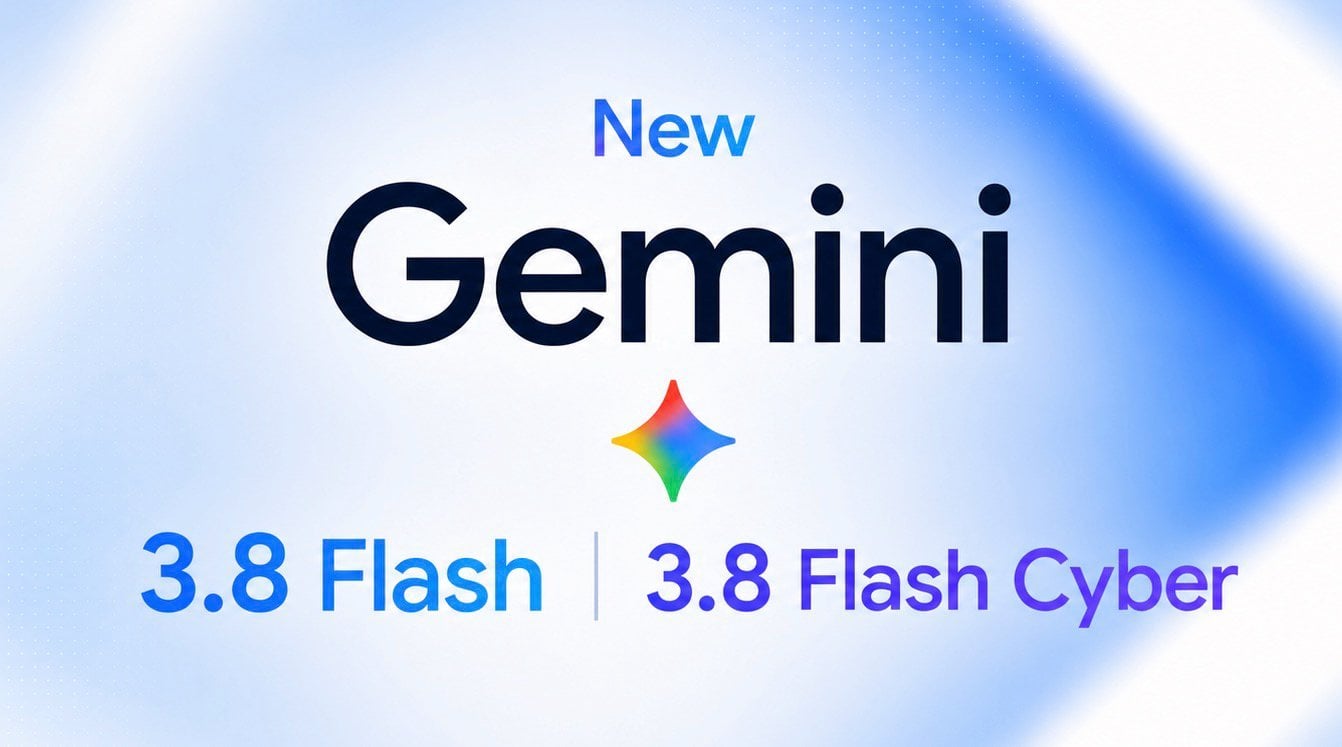
Google’s Gemini 3.8 Flash has been released, offering a blend of advanced performance and cost efficiency. This model is particularly strong in benchmarks like Deep Sweep 1.1, where it matches the performance of Opus 5. However, it’s not without its trade-offs. For instance, it consumes 30% more tokens compared to its predecessors, which could increase operational costs for high-volume tasks.
Despite this, Gemini 3.8 Flash compensates with a generation speed of up to 300 tokens per second, making it ideal for time-sensitive applications. The model’s performance is also significantly influenced by the choice of harness. The Antigravity harness, for example, enhances multi-step prompt handling and produces more detailed outputs, which is particularly useful for complex tasks like Python coding or 3D modeling.
One of the standout features of Gemini 3.8 Flash is its multimodal functionality. It can handle a wide array of tasks, from image analysis to Python coding, making it a versatile tool for both technical and creative applications. Additionally, its seamless integration with real-time APIs, such as the ISS Tracking API and Weather Visualization API, expands its utility across various industries.
For those shopping for a mini PC to run AI models locally, Gemini 3.8 Flash is a strong contender. Its balance of cost and performance makes it an appealing choice for enterprise users. However, it’s important to consider the token consumption and ensure your setup can handle the increased load. For instance, a mini PC with at least 16GB of RAM and a powerful processor like the AMD Ryzen 7 5800U would be a good starting point.
Google has also announced future developments, including Gemini 3.8 Flash Cyber, which is expected to deliver Fable-level performance at a fraction of the cost. This continued innovation is a clear indication of Google’s commitment to staying competitive in the AI market.
For more details, you can check out the original article on Geeky Gadgets.